
Waawtãawtheyakwe:
Those That Sustain Us

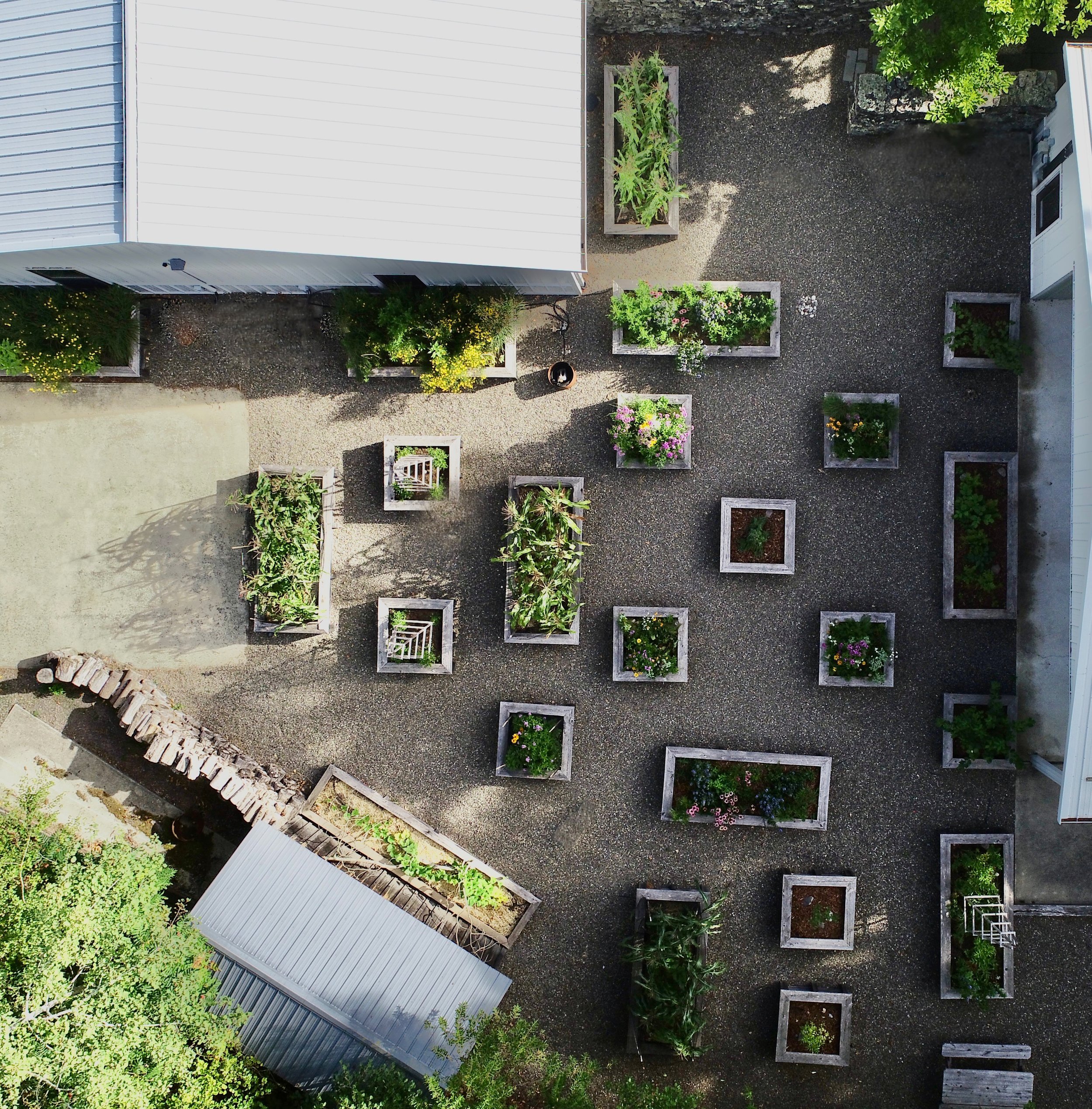
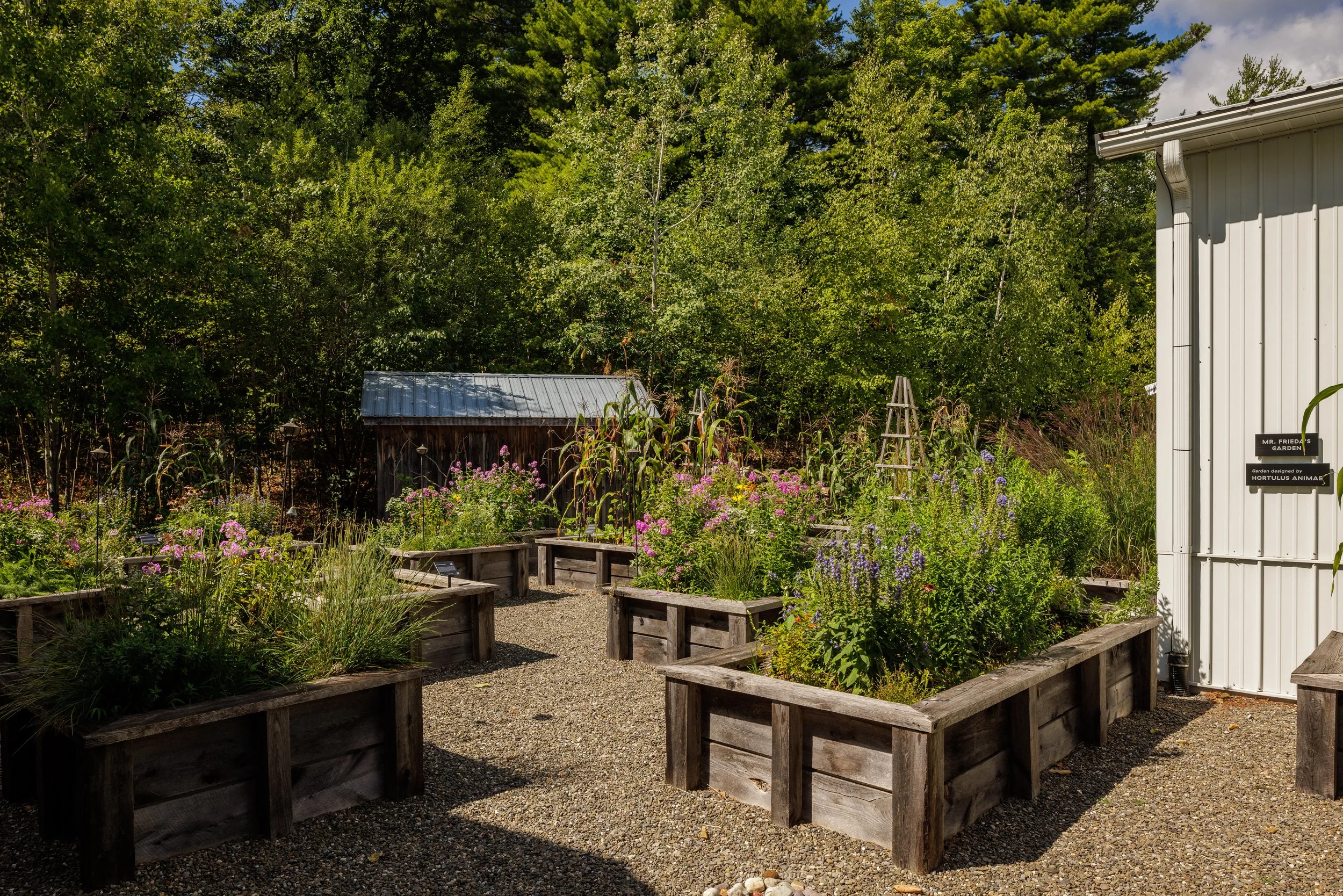
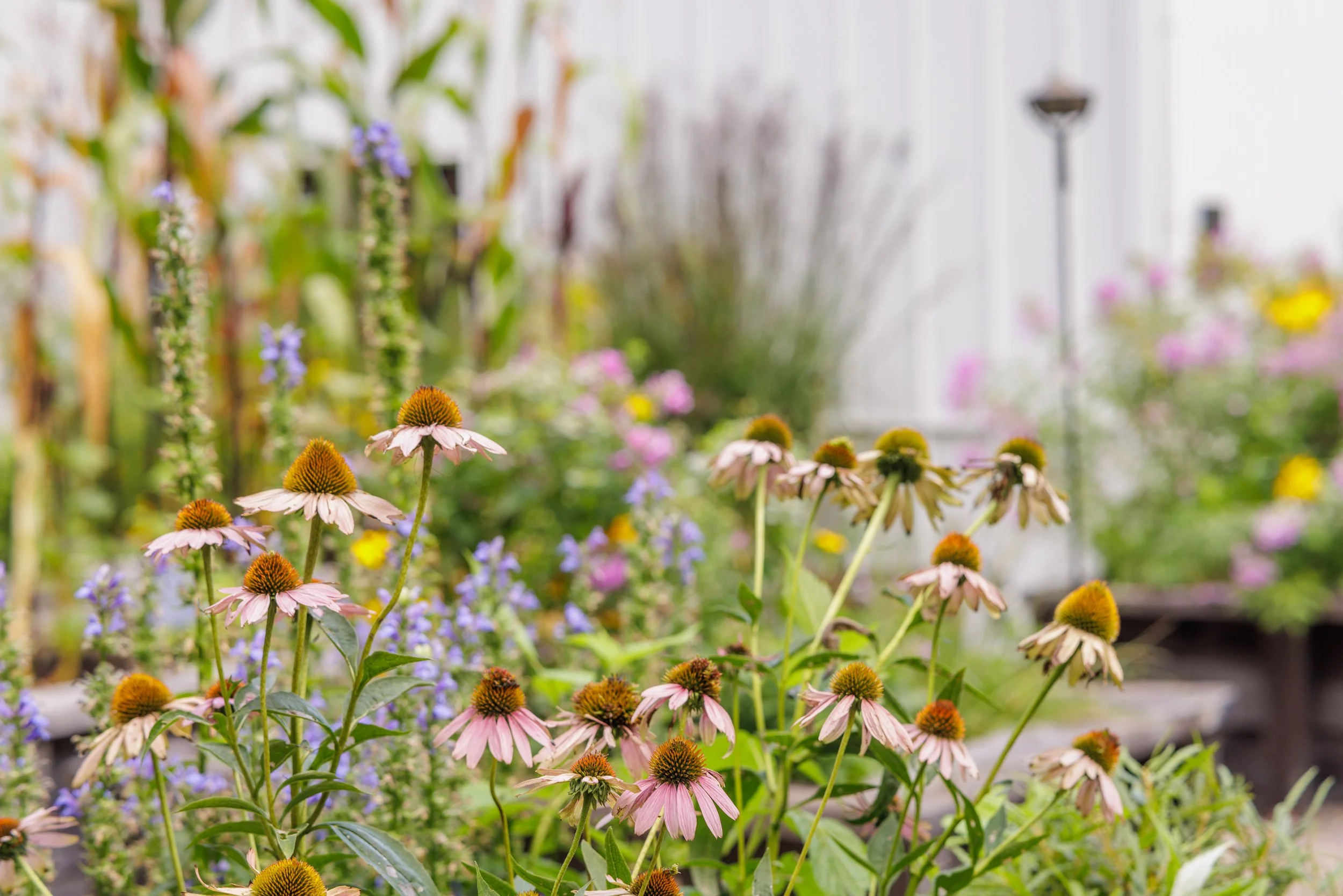
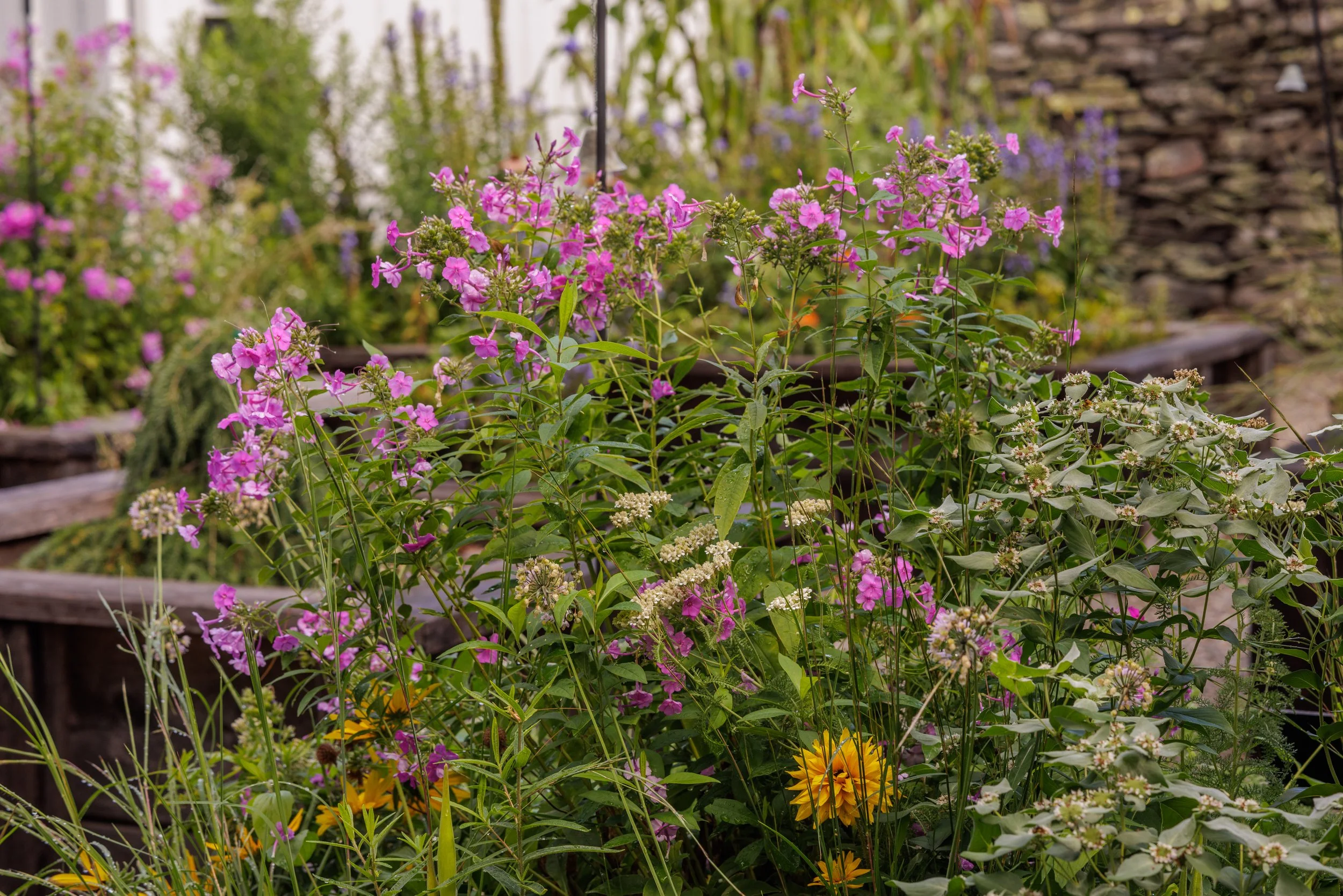
Since its inception, an important part of Petronio Residency Center has been Mr. Frieda’s Garden, an organic vegetable, flower, and herb garden to feed, inspire, and engage resident artists. In 2022, led by the team at Wild Hudson Valley, and with the help and support Stockbridge-Munsee Community’s tribal council, Hortulus Animae transformed Mr. Frieda’s Garden into an educational garden installation – ‘Waawtãawtheyakwe: Those That Sustain Us’ – featuring plants and growing methods that reflect traditional native culture and natural history in the Hudson Valley.
Waawtãawtheyakwe (Wao-Tuh-Thee-Yah-Kwe) is an educational garden installation conceived to bring consciousness to Muh-he-con-ne-ok cultural values and traditions through their agricultural land practices. It is a land acknowledgement in physical form; an active reminder and connection to the land and the function it held for the now displaced native populations. Pairing the conservation, propagation and cultivation of heritage plants with informational signage, the garden displays local flora while honoring the Muh-he-con-ne-ok history of the region and the Stockbridge-Munsee Community that now resides in Wisconsin.
Interpretive signage throughout the garden utilizes the language of the Muh-he-con-ne-ok and Munsee. When Europeans colonized new land, they claimed possession by renaming plants, animals, geographic features, and places. Similarly, biologists introduce new species names that erase the long-standing indigenous names. The signage throughout the garden provides a brief description of how these plants are integral to Hudson Valley native people and how they are traditionally used in their cuisine, medicine, materials, art and more. At various times throughout the year and during different seasons, Hortulus Animae and Wild Hudson Valley will host tours, public programs, and educational and research workshops at Waawtãawtheyakwe.
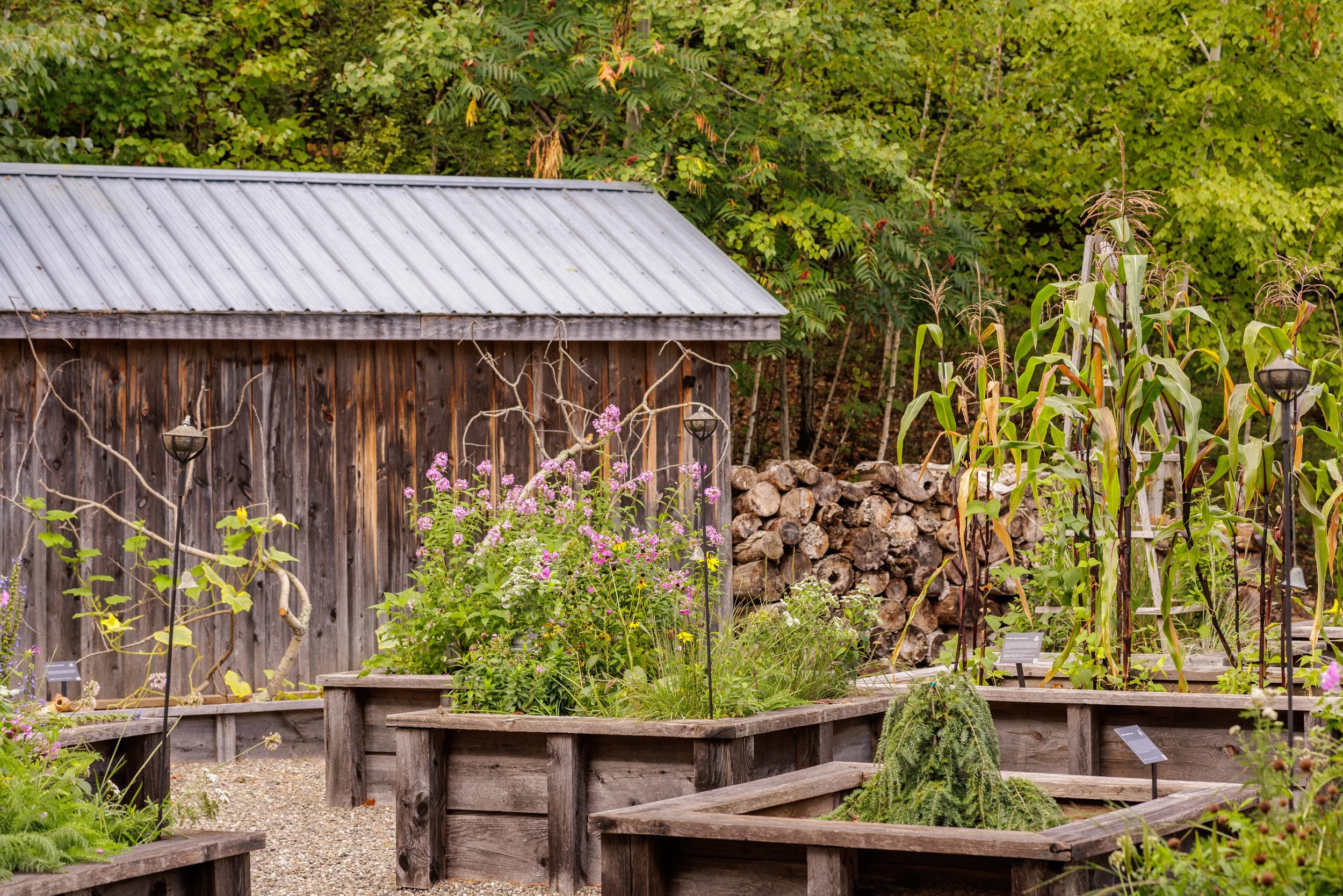
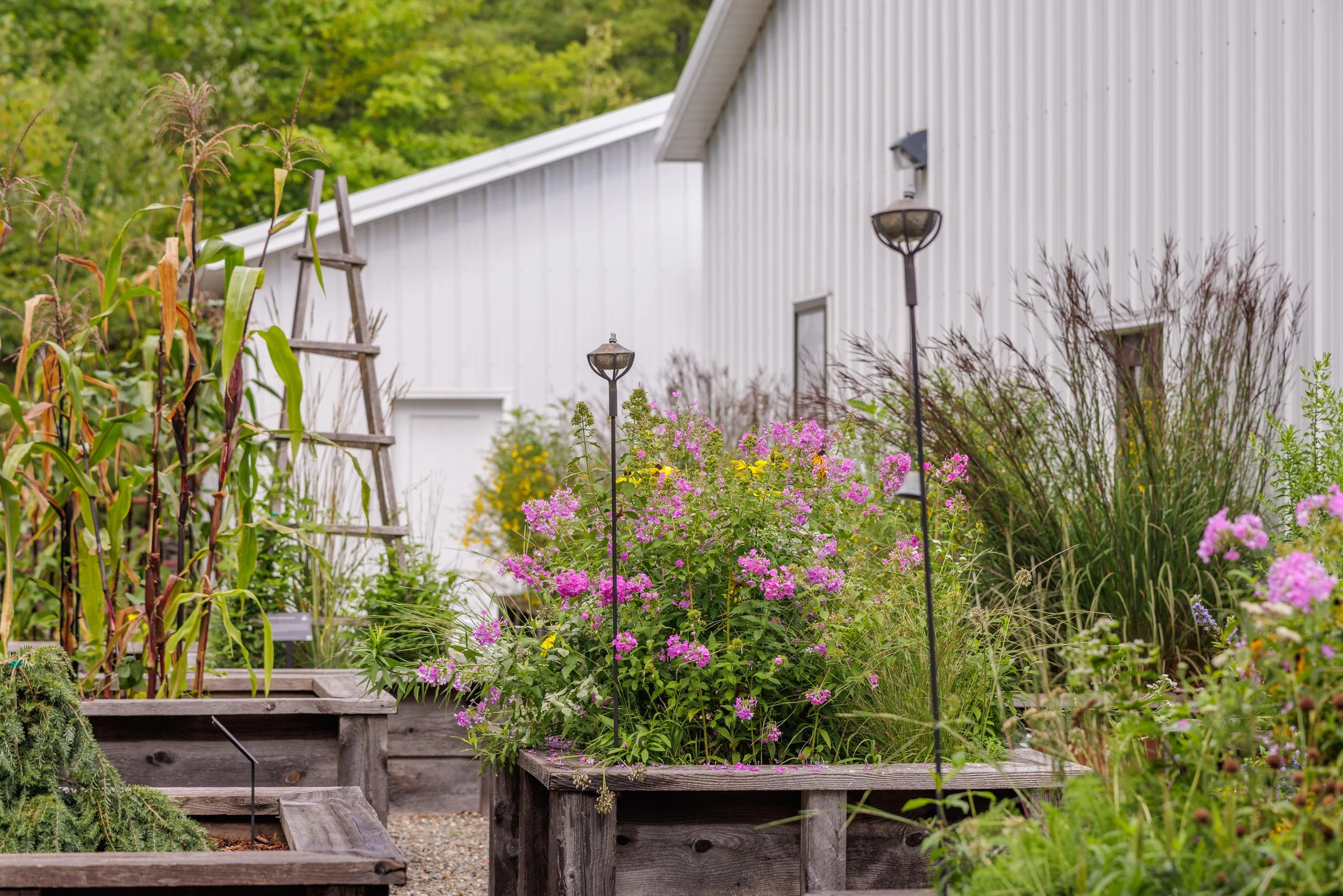
The installation highlights The Three Sisters, an important component of indigenous culture and foodways. The planting of the three sisters—or corn, beans, and squash— dates back at least eight centuries in the region. In this symbiotic triad, corn provides stalks for the beans to climb, beans provide nitrogen to fertilize the soil, and the leaves of the squash plants shade the ground which helps retain soil moisture and prevent weeds.
Growing heritage plants and utilizing the tribe’s two officially recognized languages are two strategies to raise community and public awareness of the past, present and future Muh-he-con-ne-ok practices and traditions.
The Waawtãawtheyakwe logo was designed by Dawn Dark Mountain, Native Woodland Watercolors & Prints, Oneida Nation of Wisconsin.
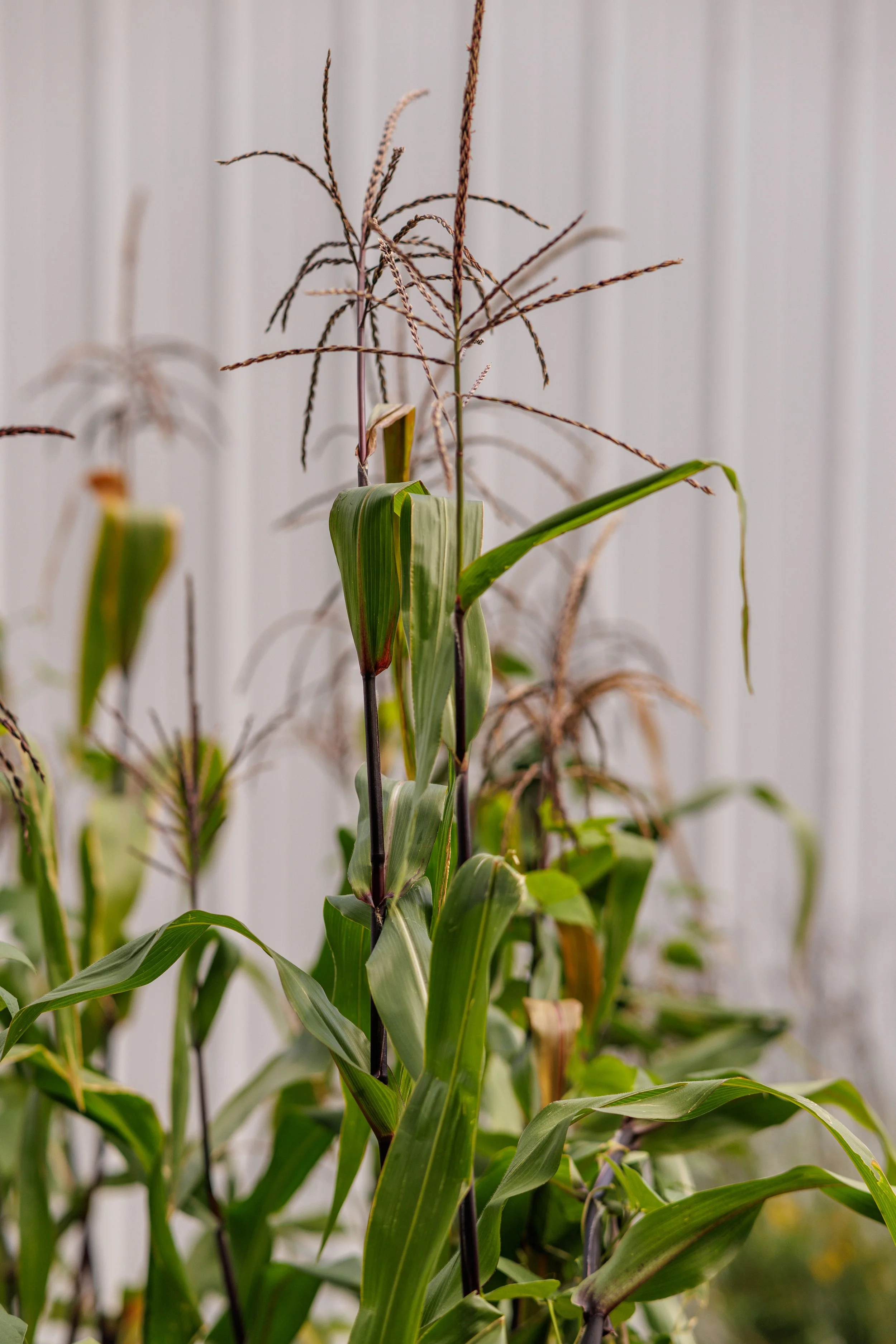

Ke’ãakun: Indigenous Agriculture / The Three Sisters
BEDS # 2, 8, 9, 14

Skamoon [Mohican]
Zea mays var. indurata
Flint Corn
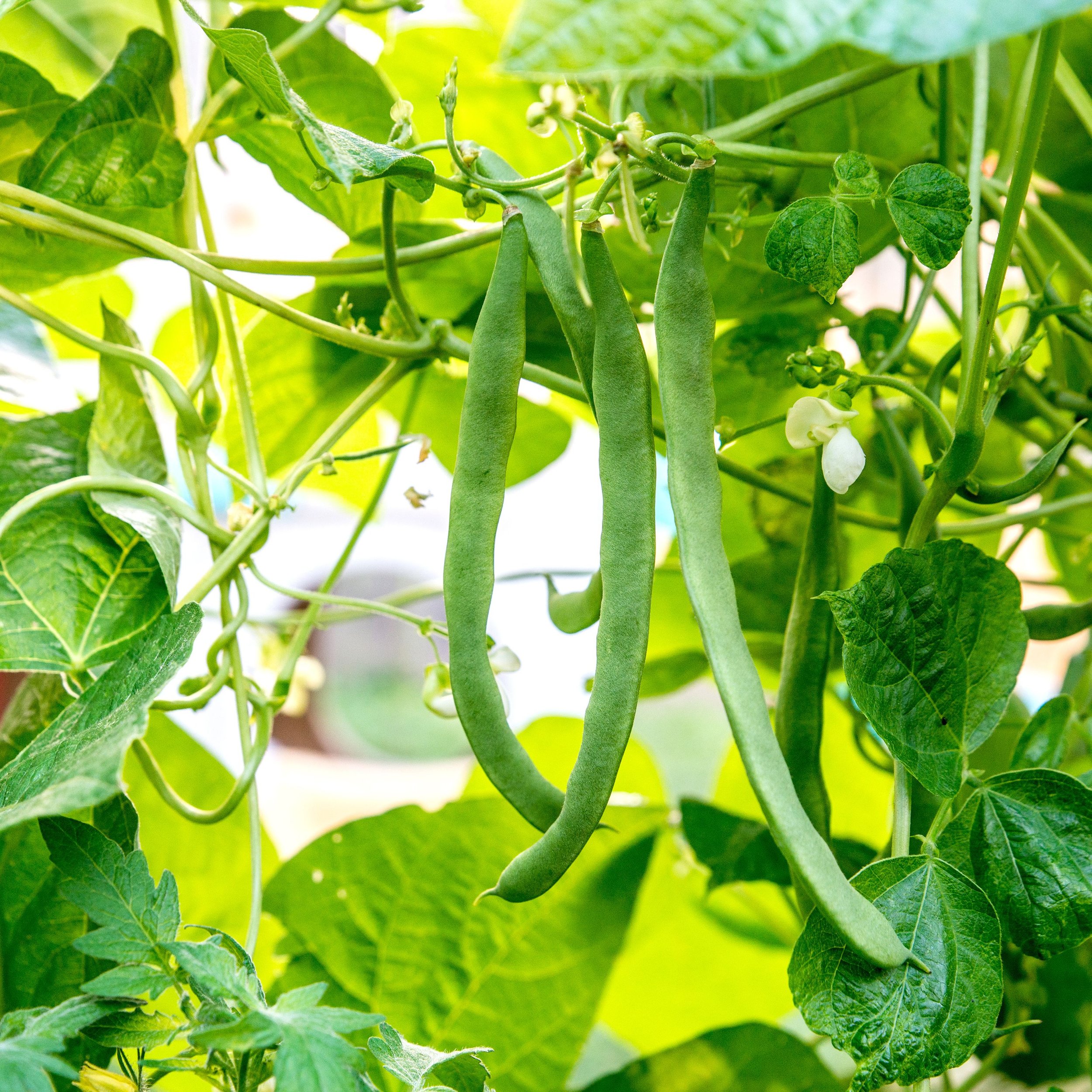
Topãʼkwaan ‘that-which-twines’ [Mohican]
Phaseolus vulgaris
Pole Bean
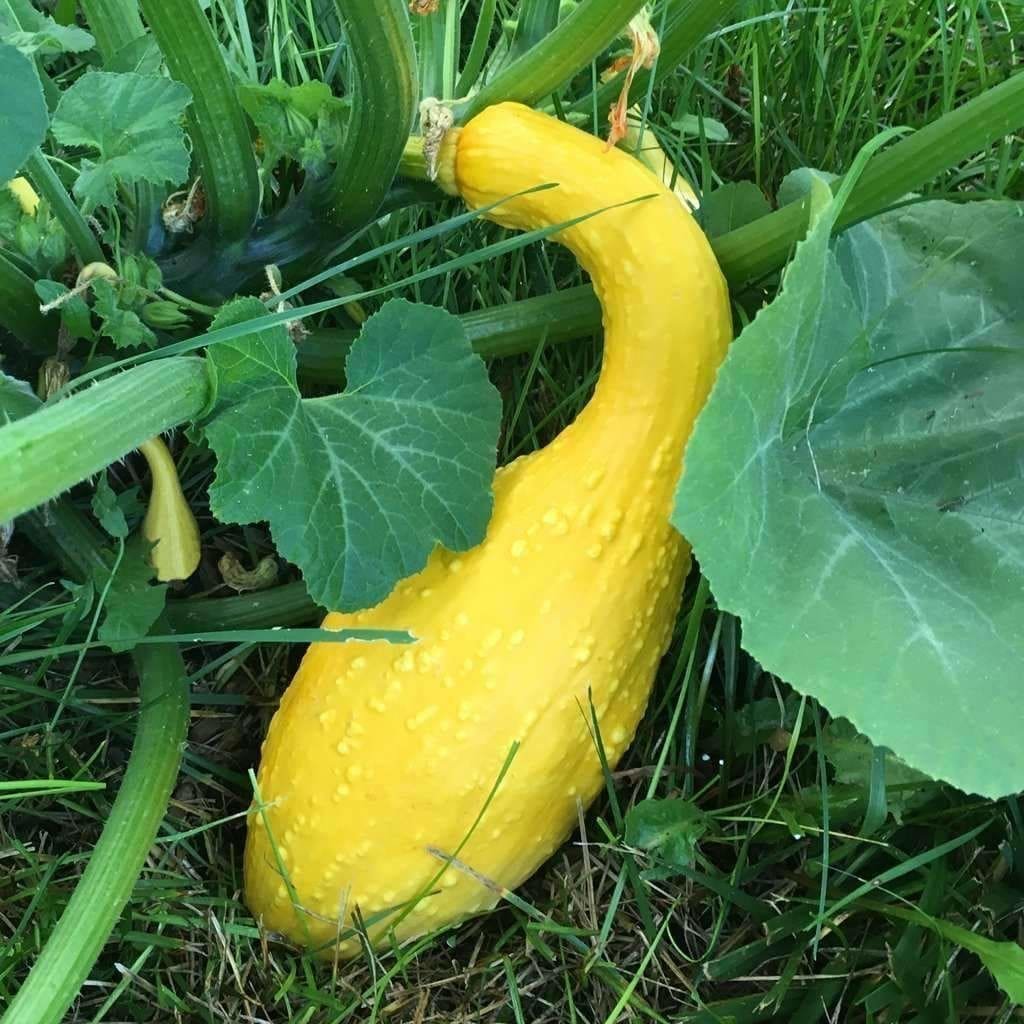
Kathkoota’kw [Mohican]
Cucurbita pepo
Squash
The classic triad—commonly known as the three sisters—of corn, beans, and squash has fed native communities of the Hudson Valley and surrounding Eastern Woodlands for many centuries. This brilliant indigenous horticultural technique allows for multiple nutritious crops to be grown in the same space; moreover, the different species support one another. The varieties on display here are representative of corn, beans, and squash varieties that were once grown in the Hudson Valley. Seeds were gifted from or originated from multiple contemporary native communities, including: Six Nations of the Grand River, the Delaware Tribe of Indians, the Kahnawake Indian Reserve, and Akwesasne (St. Regis Mohawk Reservation). Following ancient tradition, the corn seeds were soaked in a planting medicine first (consisting of a tea of medicinal plants and wood ashes). This will protect the future crop from predatory birds and from insect pests.
Ke’ãakun: Indigenous Agriculture / Bottle Gourd and Cushaw Squash

Mahkahkw [Munsee]
Cucurbita argyrosperma
Cushaw squash
Wulamookan [Munsee]
Lagenaria siceraria
Bottle gourd
BED # 3
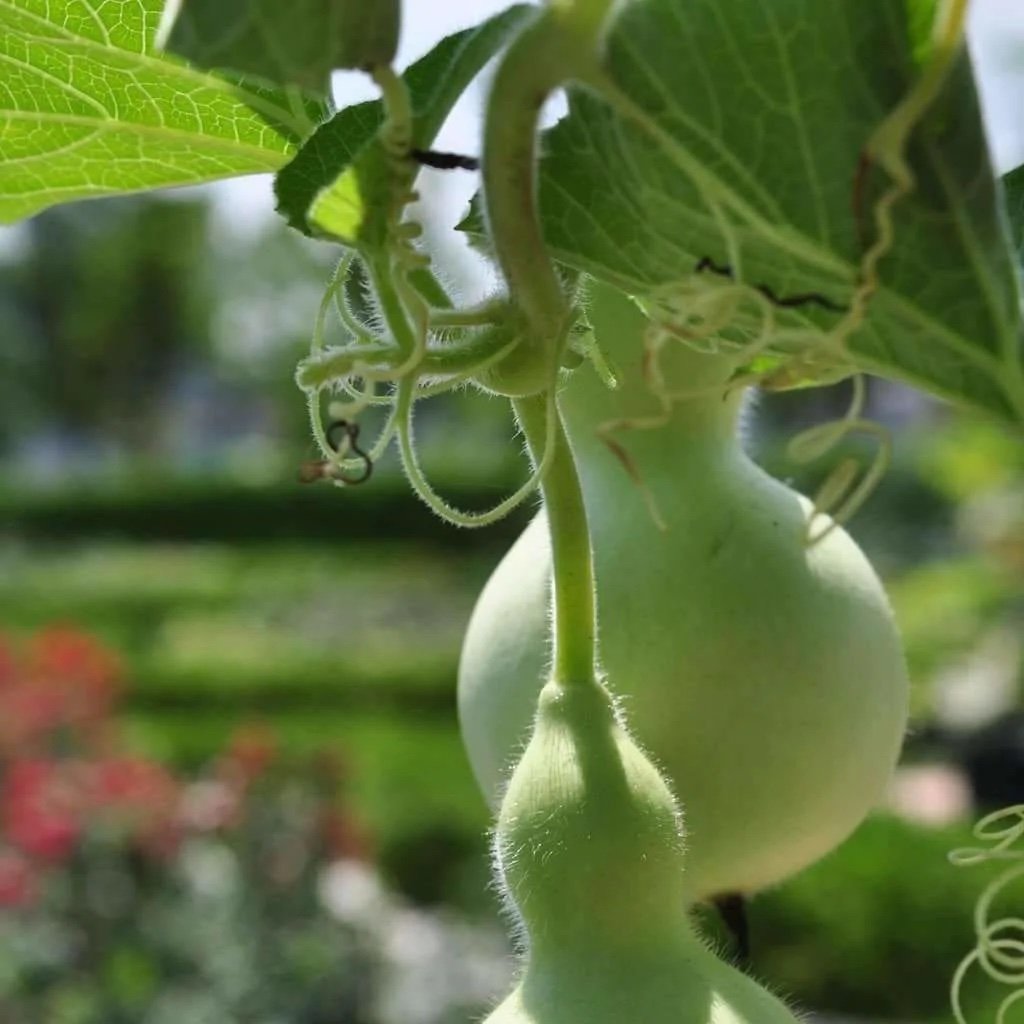
The bottle gourd is a traditional crop that is found all over the world. In the Hudson Valley, these hard fruits provided native communities with bottles, containers, spoons, bowls, and whistles. They are still used today in many indigenous communities to make rattles for social dances.
Scant early evidence indicates that a second species of squash – the cushaw – was grown by indigenous people in the Hudson Valley five centuries ago. This vigorous vining squash plant produces large striped fruits with edible seeds and flesh that can be kept fresh for much of the winter if stored in the right location.
Ke’ãakun: Indigenous Agriculture / American groundnut
BEDS # 4, 5
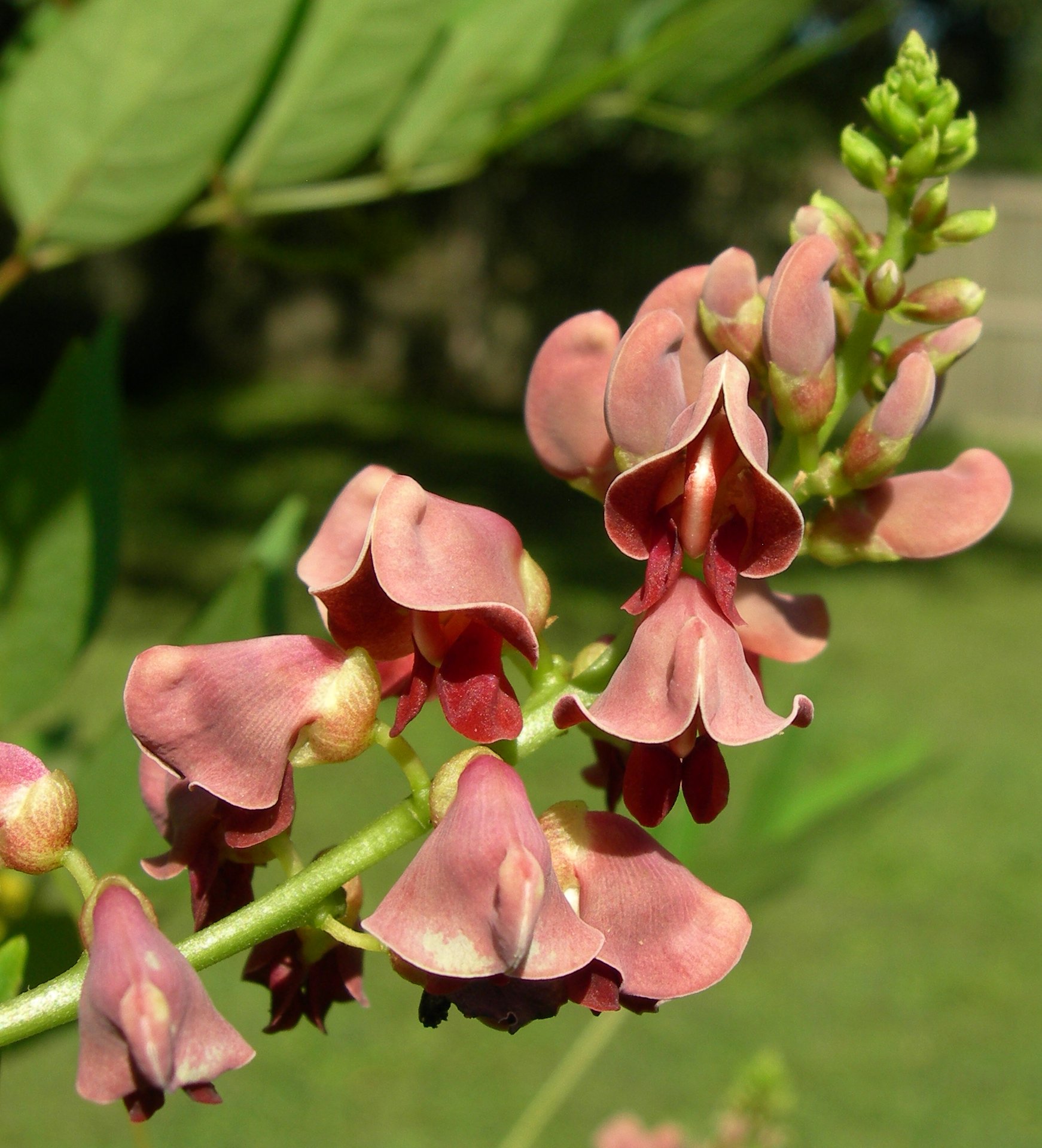
O’pinak [Mohican]
Apios americana
American groundnut

Sorghastrum nutans
Indiangrass
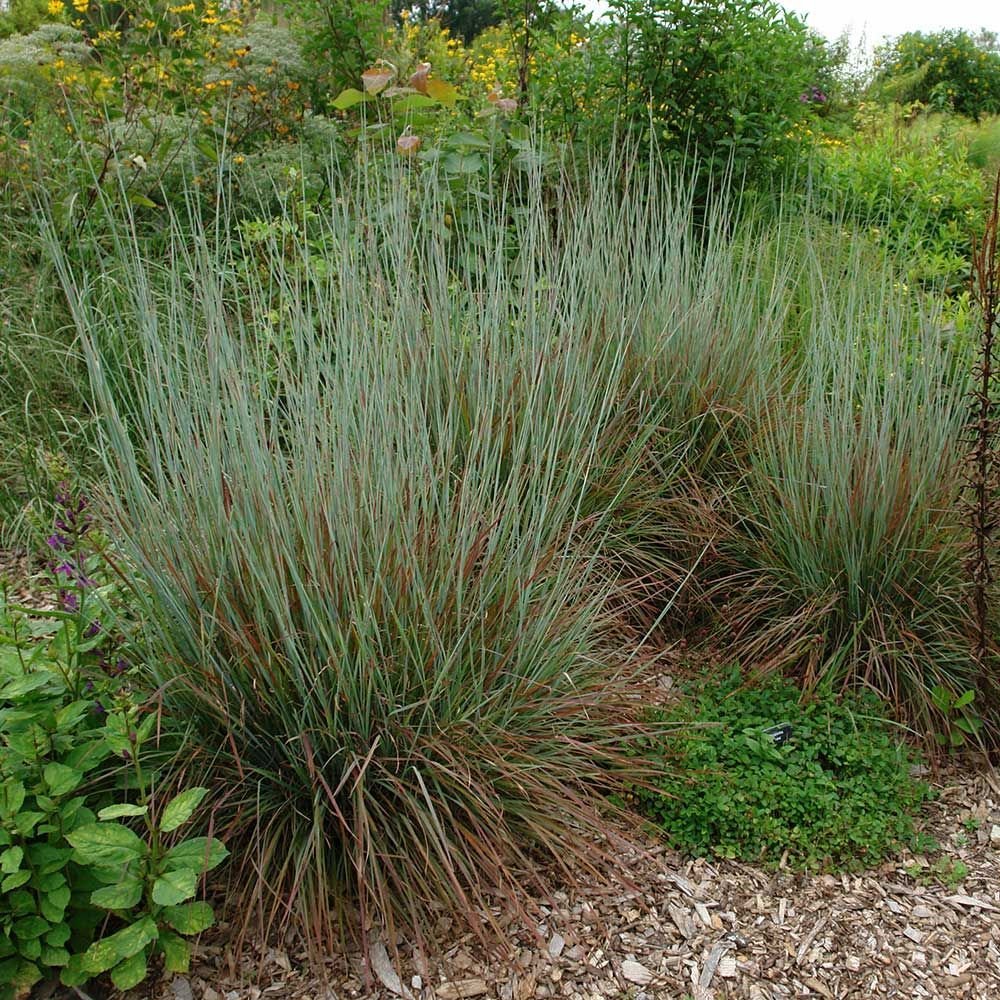
Lunaskwal ‘common-grass’ [Munsee]
Schizachyrium scoparium
Little Bluestem
The American groundnut is a legume that produces small, edible beans and strings of delicious, egg-sized underground tubers. These were once a staple in the diet of Northeastern native peoples, who planted the best and largest tubers in select locations for future harvests. The historic record indicates that large quantities of groundnuts were often sought after in times of food shortages. The unique flowers of this plant have a fragrance unlike any other.
Wãaxawãanshik: At The Sunflowers
BED # 7
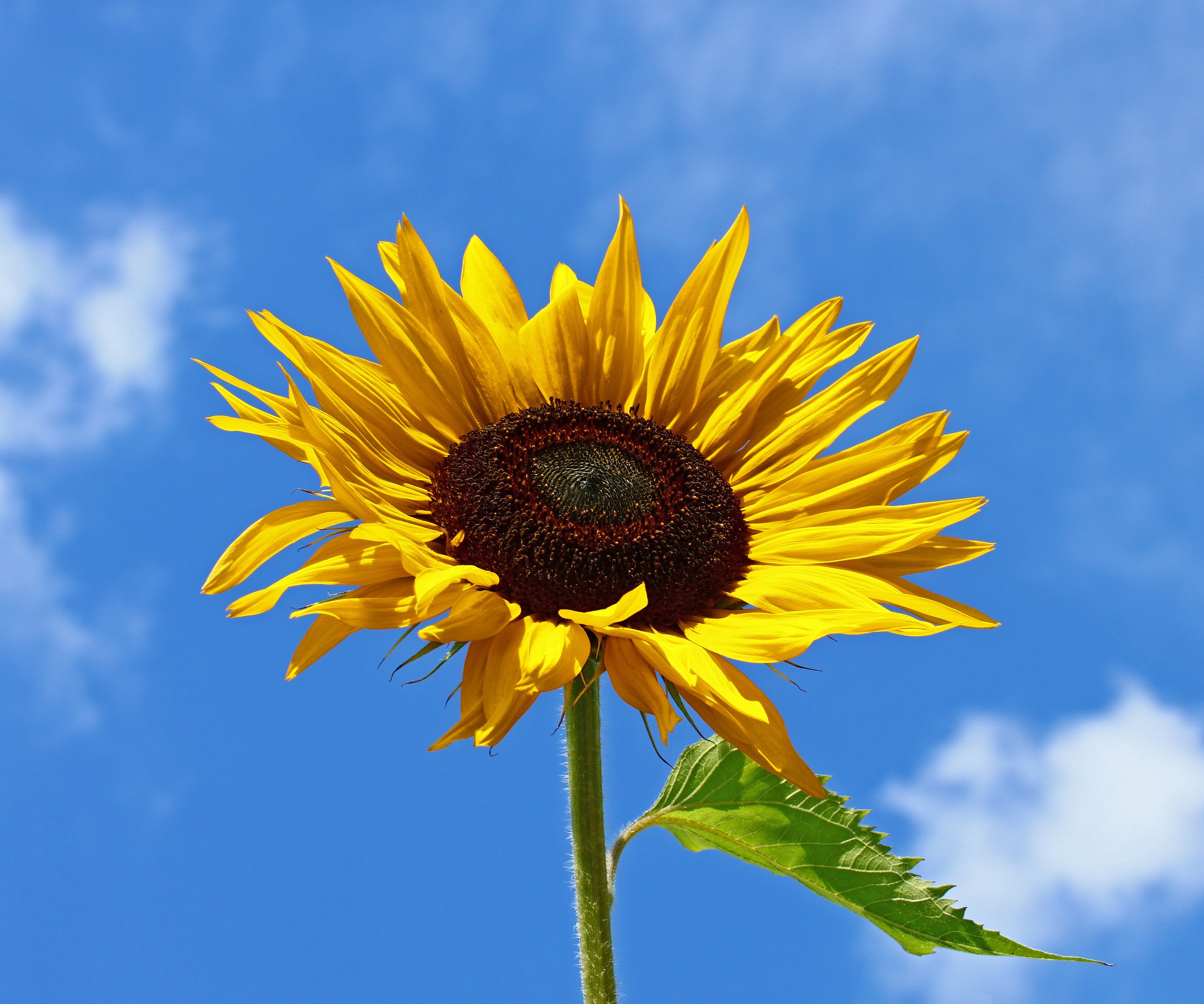
Waaxaweew ‘bright-flower’ [Munsee]
Helianthus anuus
Sunflower
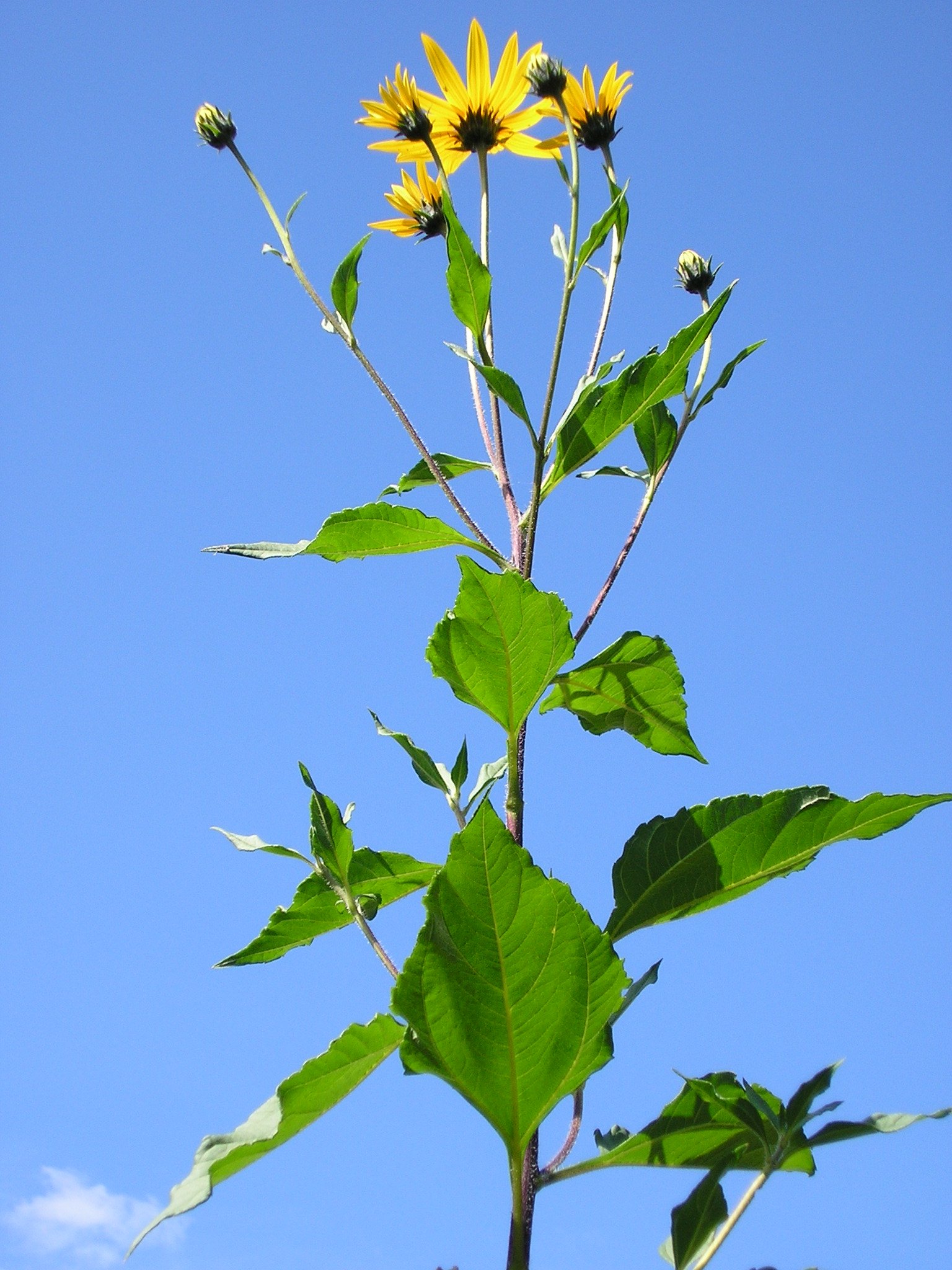
Thkeepãw ‘that-which-is-eaten-raw’ [Mohican]
Helianthus tuberosus
Jerusalem Artichoke
Both the sunflower (Waaxaweew ‘bright-flower’ / Helianthus anuus) and the jerusalem artichoke (Thkeepãw ‘that-which-is-eaten-raw’ / Helianthus tuberosus)are extraordinarily tall flower species native to Eastern North America, and have likely been grown by indigenous people in the Hudson Valley for at least two thousand years. Sunflowers are traditionally grown on the edge of cornfields. Oil and paste was extracted from their roasted seeds for cooking and for cosmetic use. The seeds for these particular sunflowers come from indigenous Onondaga and Seneca varieties, and may be the only remaining Northeastern sunflower cultivars.
The jerusalem artichoke produces sweet, edible tubers and was traditionally planted in waste locations. Its current common name reflects confusion by early European observers, who compared its flavor to artichokes and correctly compared its form to the related sunflower (hence the name, which originates in Italian ‘girasole’).
Mskakw: Wetland
BED # 20
Wãapaʼnapaak ‘white-hemp’ [Mohican]
Asclepias incarnata
Swamp Milkweed

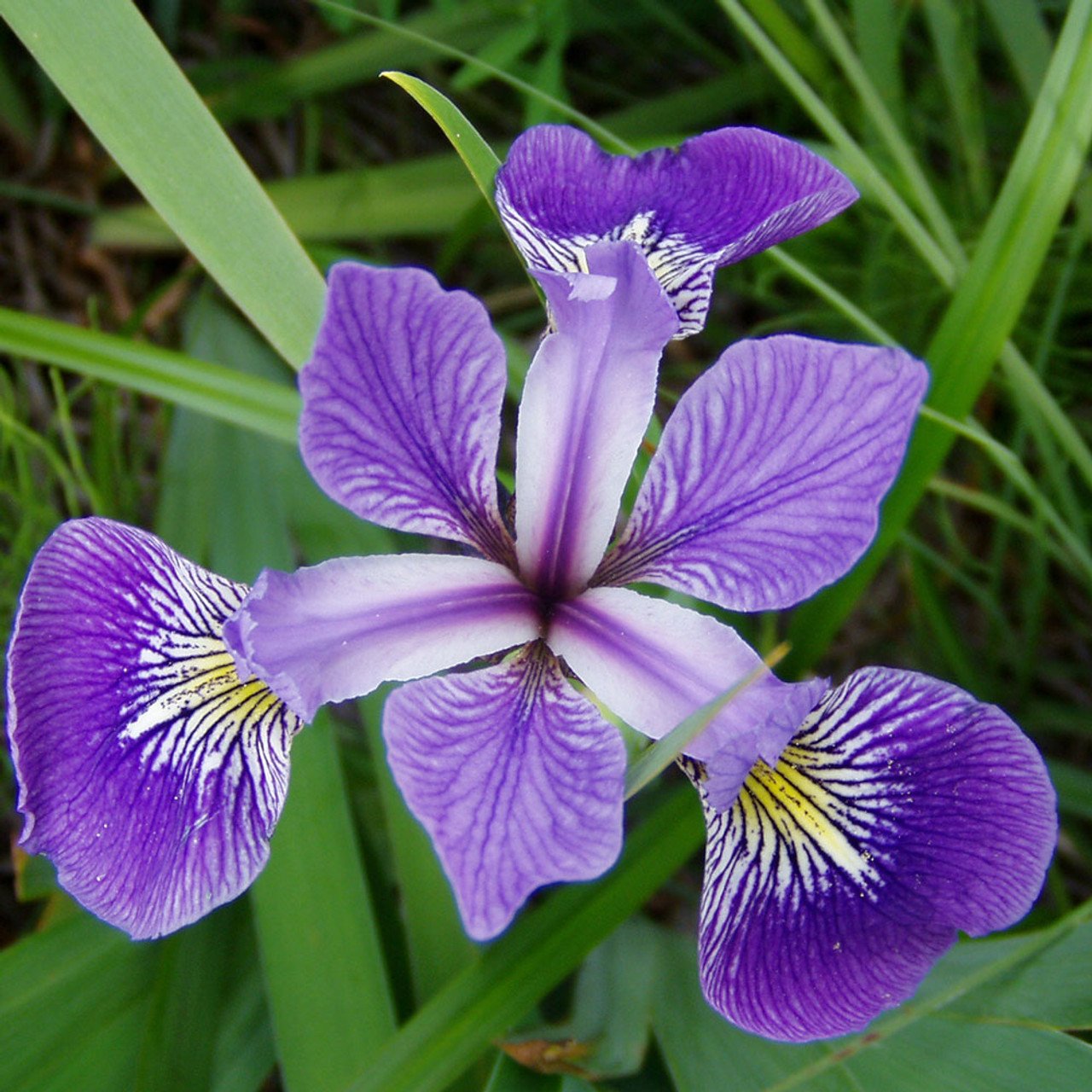
Kskimokas ‘numb-maker’ [Western Abenaki]
Iris versicolor
Blueflag
Ehapiponk ‘for-smoking’ [Unami]
Angelica atropurpurea
Purple-stemmed Angelica

Matapipalinko ‘never-overlooked’ [Unami]
Lobelia cardinalis
Cardinal Flower
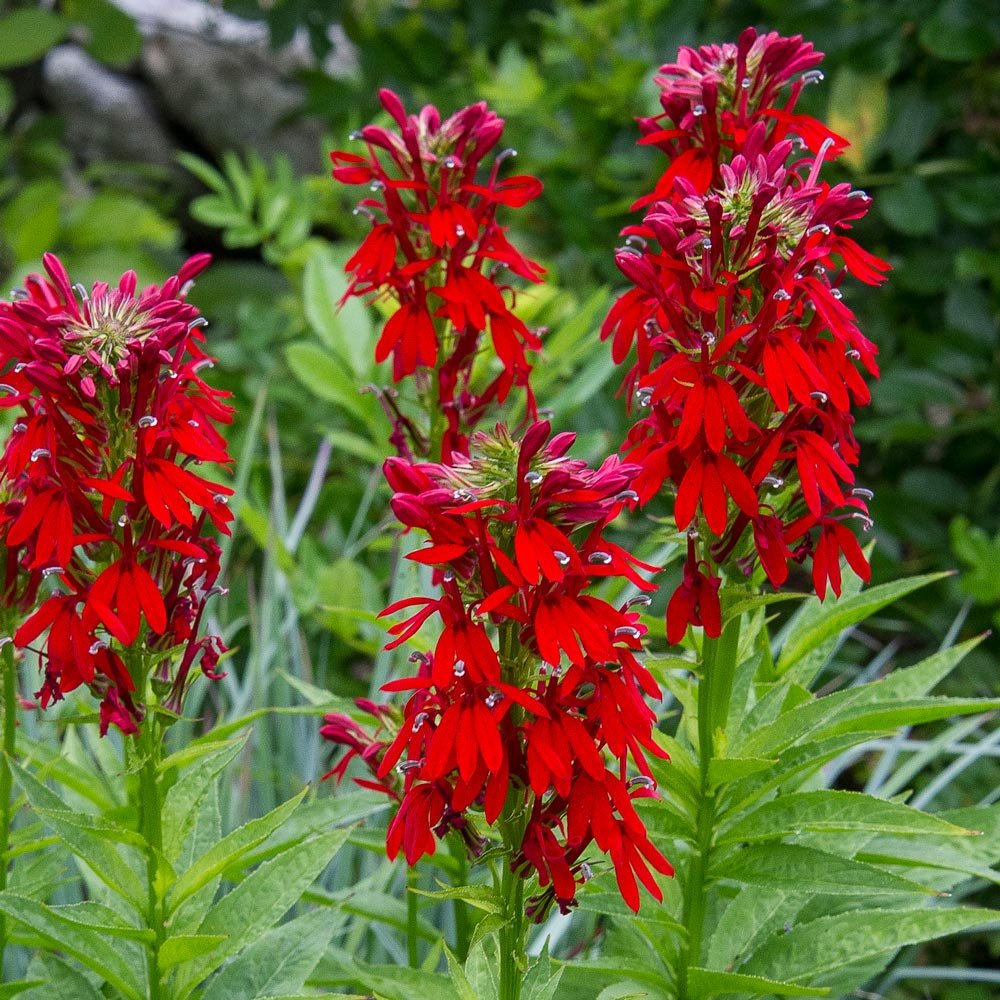
The species in this bed are representative of the rich diversity of wetland plants found in the region. Wetlands were once extremely significant sources of food for local native people, and many wetland plants are still important medicines for contemporary Mohican and Munsee people. One of the most important medicinal plants is the sweet flag, which has an extraordinarily fragrant, bitter rhizome that is chewed to treat and ward off a wide variety of ailments. In many Northeastern indigenous communities, the blueflag iris is considered to be a poisonous counterpart to the sweetflag. Blueflag stems were once twined into sieves for sifting corn meal.
The strong, silky-white fibers of the swamp milkweed were once used to make the finest cordage material, which was specifically used for twining into elaborately-embroidered fabric bags for holding items of supreme cultural value, such as shellbeads.
Mskakw: Wetland / Maanãakweemiinaak: Among the Vines
BED # 20 TRELLIS
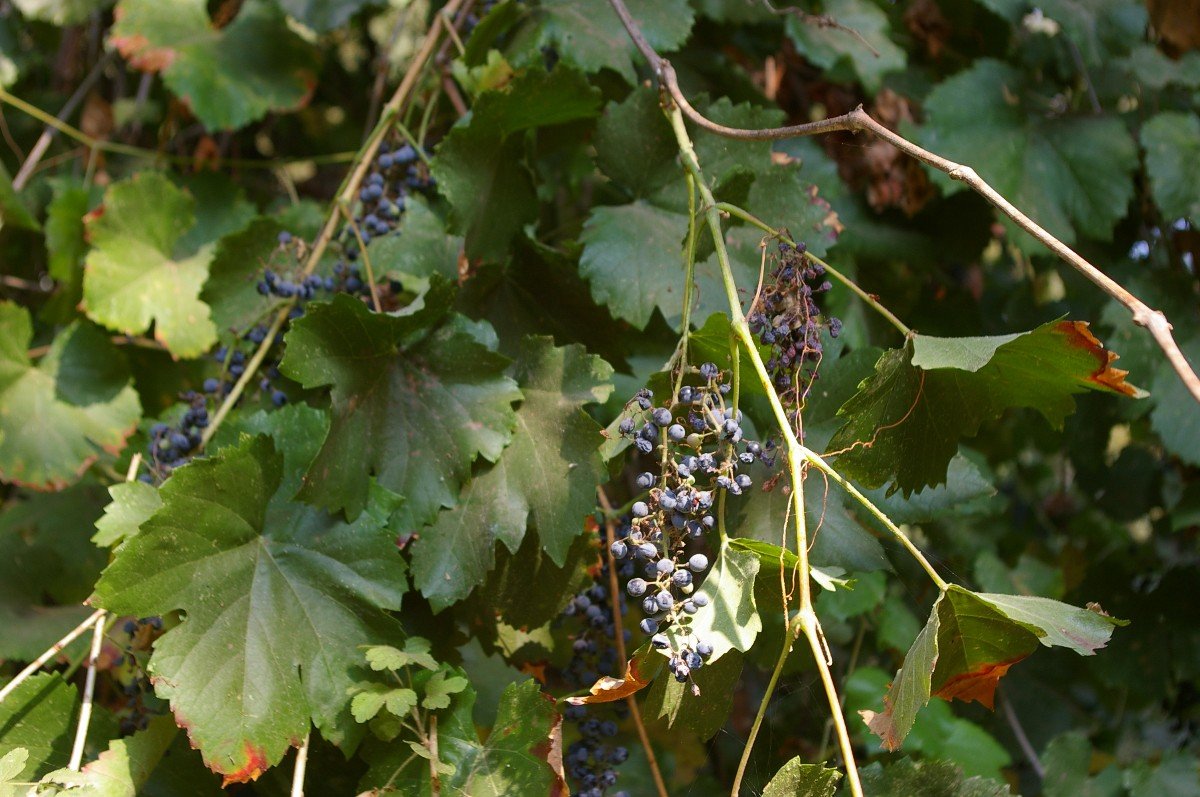
Maanãakweem [Mohican]
Vitis sp.
Native Grape
Maɾakak [Virginia Algonquian]
Passiflora incarnata
American passionflower/Maypop

Four species of grape are native to the Hudson Valley. These vines thrive in areas of disturbance, reaching for the sunlight by climbing up tree trunks and branches. Subsequently, the clearing techniques used in local indigenous horticulture -- such as girdling trees -- created ideal natural trellises for climbing grape vines. The sour juice of grapes is still used for cooking by Eastern Woodlands peoples and is mixed with water as a beverage. The vines themselves were used to construct dragnets for corralling fish.
This most northerly representative of the otherwise tropical family of Passion Flower was once grown by Algonquian-speaking communities of the Tidewater region to our south, who allowed the vines to climb up cornstalks like beans. The odoriferous, exotic flowers – and the leaves – are used by herbalists for their calming, sedative properties. The intensely-flavorful fruits can be used like their tropical passionfruit relatives.
BEDS # 17, 19
Mbeethoonkeʼãakan: Medicinal and Meadow Plants
Wteehaskwal ‘heart-shaped-leaves’ [Munsee]
Monarda fistulosa
Beebalm
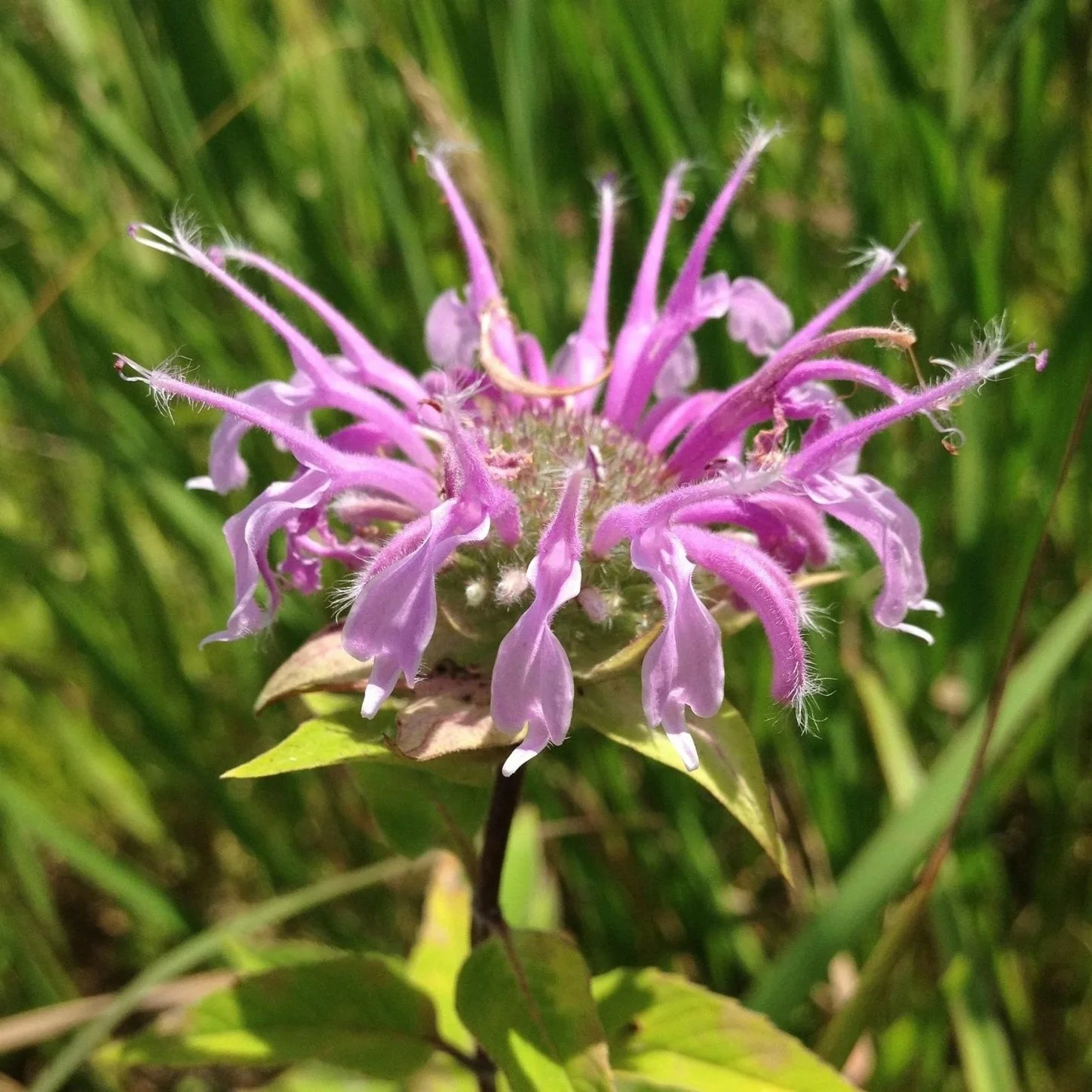
Memekas Nehënawlachi ‘butterflies-alight’ [Unami]
Asclepias tuberosa
Butterflyweed


Piihtookena ‘double’ [Munsee]
Asclepias syriaca
Common Milkweed

Weenoos [Mohican]
Allium canadensis
Wild Garlic
Lunaskwal ‘common-grass’ [Munsee]
Schizachyrium scoparium
Little Bluestem


Wtakiipakw ‘soft-leaves’ [Munsee]
Achillea millefolium
Yarrow

Msipeniz ‘big-tuber’ [Western Abenaki]
Lilium canadense
Meadow Lily
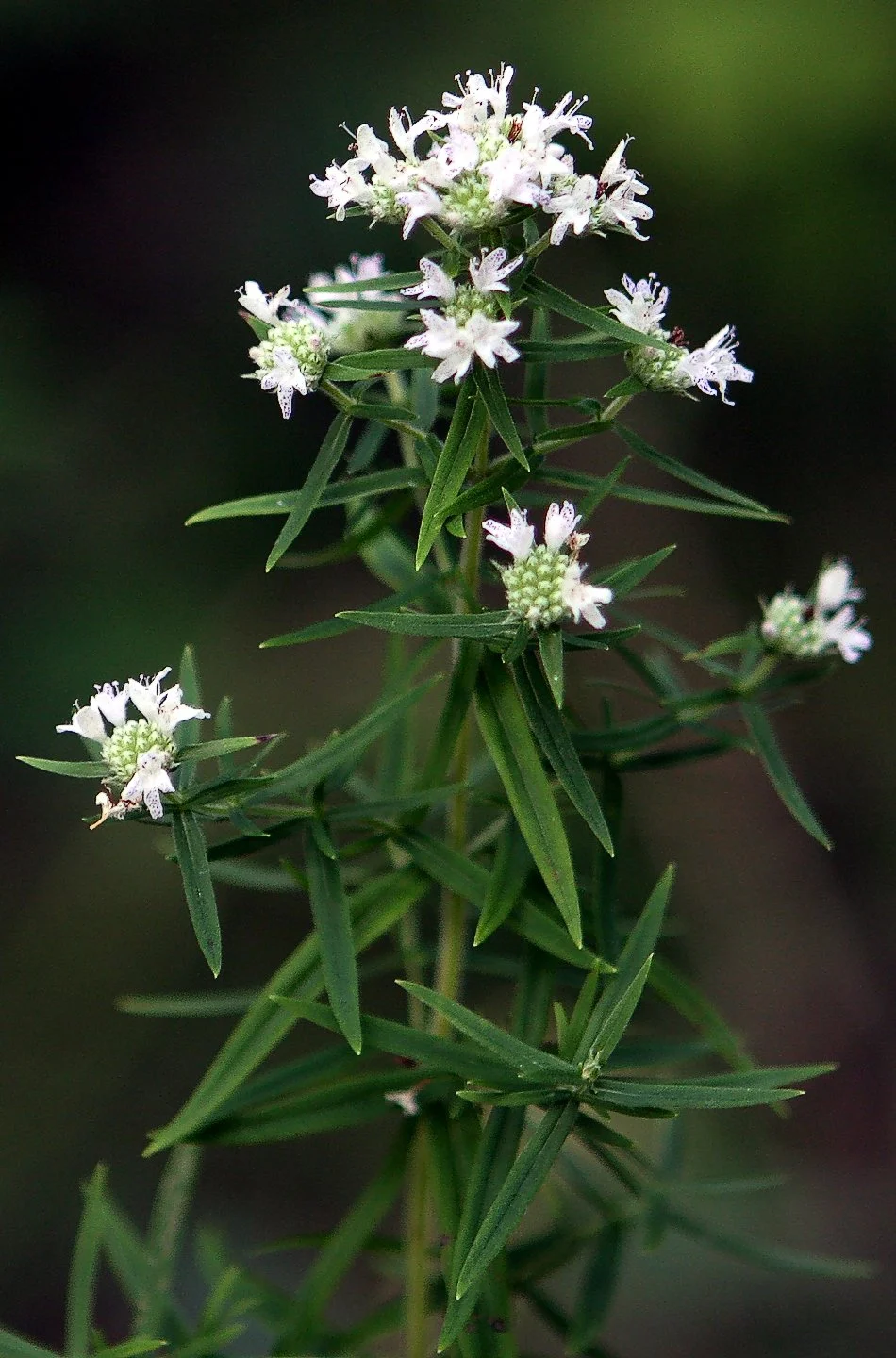
Pycnanthemum virginianum
Mountain Mint
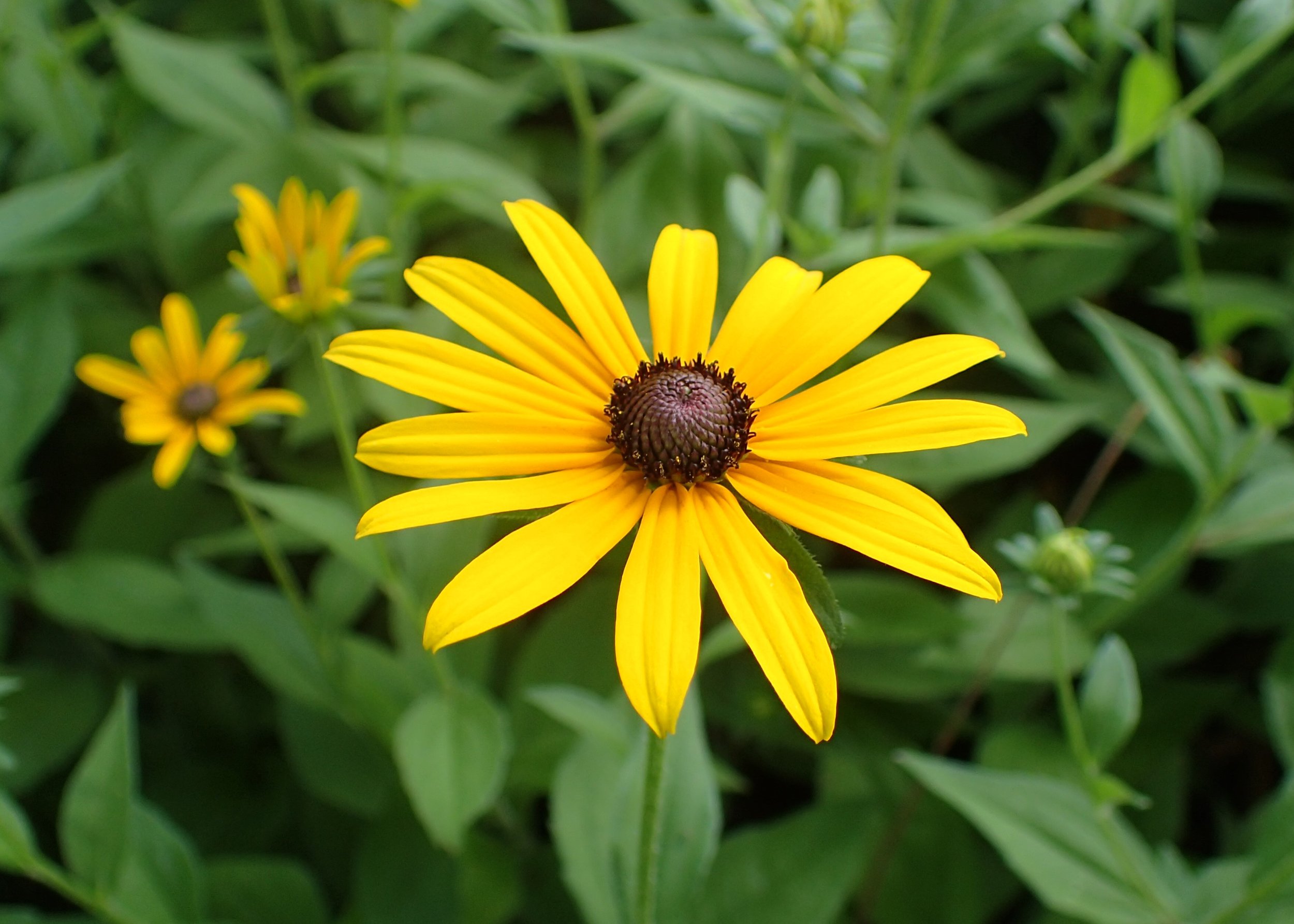
Rudbeckia hirta
Blackeyed Susan
These beds represent the diverse communities of flowering herbaceous plants and grasses that once thrived in the prairies and savanna ecosystems created by indigenous prescribed burns for hunting. One of the more common species is beebalm, whose aromatic, nectar-filled flowers provide food for native bees and hummingbirds and are traditionally used in a tea for respiratory issues and stomachaches.
Another pollinator plant with perfumed flowers, the common milkweed, is a traditional source of cooked spring greens for Hudson Valley indigenous people to this day. In the past, its stem was a source of strong fiber for making fishing lines, snares, and for twining fabric.
Other edible meadow species include wild garlic, traditionally harvested in the early springtime for its strong-flavored bulbs, and the meadow lily, an increasingly rare native lily species that has edible bulbs that are delicious in soup.
The sweet everlasting, with its maple syrup-curry scented blooms, is a medicinally-important panacea plant throughout North America, and is also traditionally burned to ward off ghosts and evil spirits.
Aatan Meenhaamok: Where Berries Are Gathered
BEDS # 10, 13
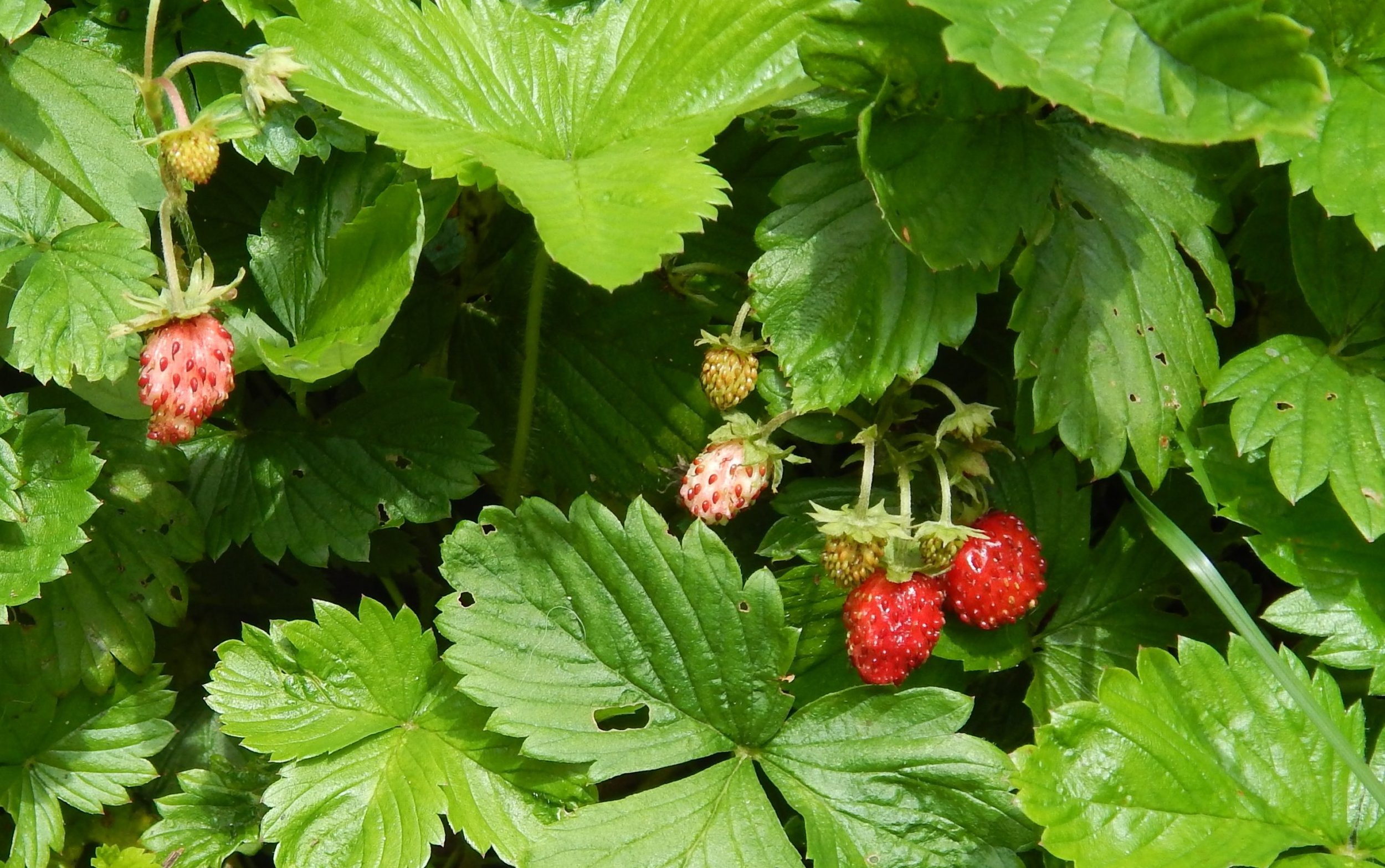
Skooseemeen ‘little-grass-fruit’ [Mohican]
Fragaria virginiana
Wild Strawberry

Meenan ‘blueberries’ [Mohican]
Vaccinium angustifolium
Lowbush blueberry
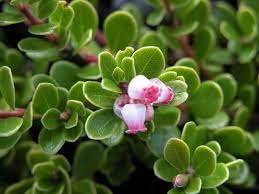
Sagakhimen ‘ground-berry’ [Western Abenaki]
Arctostaphylos uva-ursi
Bearberry
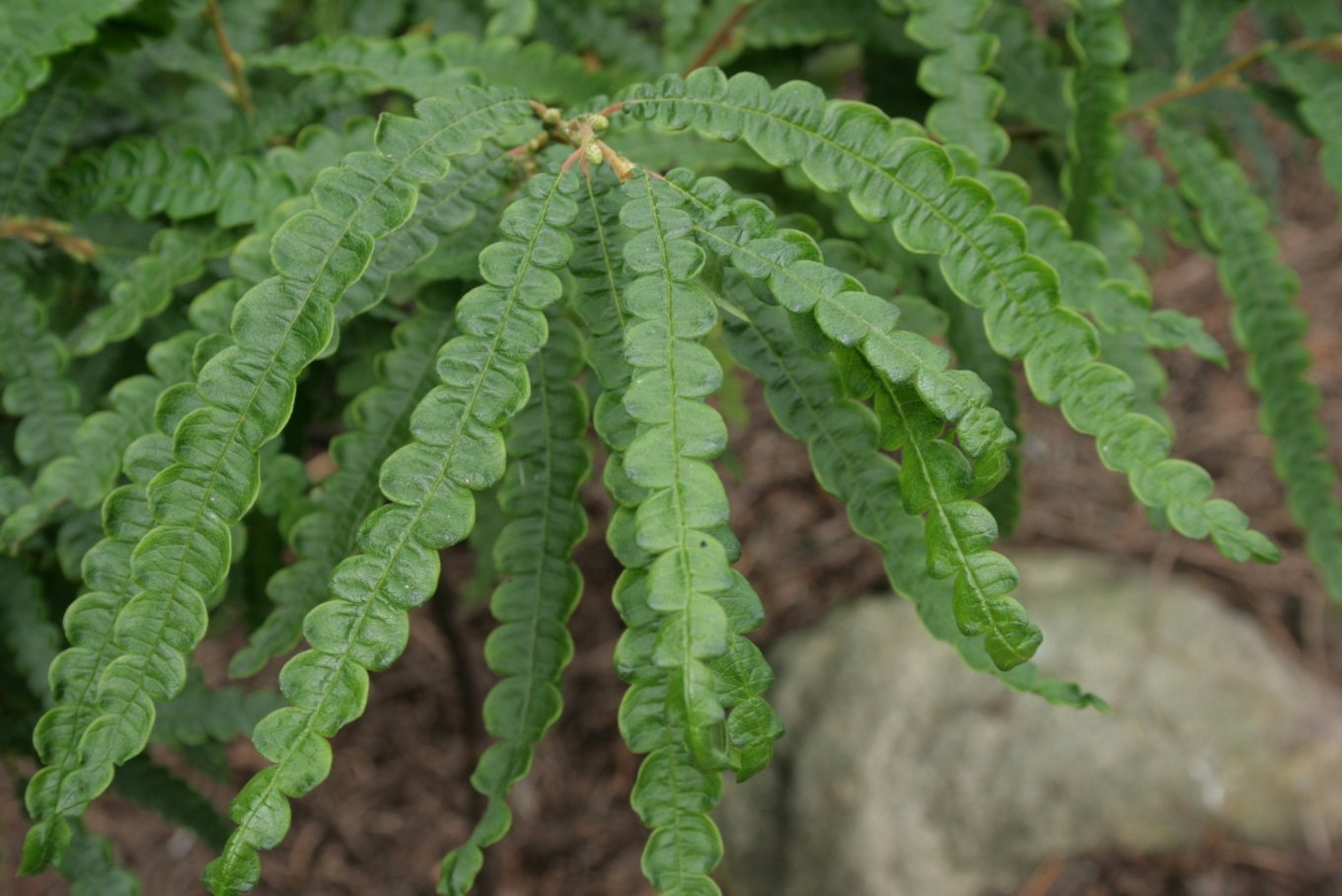
Enikwsimosi ‘ant-bush’ [Penobscot]
Comptonia peregrina
Sweet Fern
Another benefit of the prescribed burns conducted by indigenous hunters was the creation of suitable habitat for a number of useful shrubby plant species with oily, fragrant leaves and edible berries. These include blueberries and huckleberries and, in freshly burned meadows, wild strawberries.
Early settlers described astonishing quantities of wild strawberries growing in fallow indigenous corn fields. The sweet fruit, which is compared to the heart in many Algonquian languages, has great significance, as it is the first fruit to ripen in late springtime.
Other shrubs that thrive in burned areas include the sweet fern, whose aromatic leaves are used in a beverage tea (also useful to treat diarrhea) and as a wash for poison ivy, fragrant sumac and bearberry, whose astringent leaves are used as a medicine and are mixed with tobacco for smoking.
Mtokwe'kook: Among the Trees
BED # 22
Wiixuwiilaawanit ‘velvet-antler’ [Munsee]
Aralia racemosa
American Spikenard


Amachiisowapasihkan [Munsee]
Asarum canadensis
Wild Ginger
Oxkweewaskwal ‘woman-fern’ [Munsee]
Matteuccia struthiopteris
Ostrich Fern

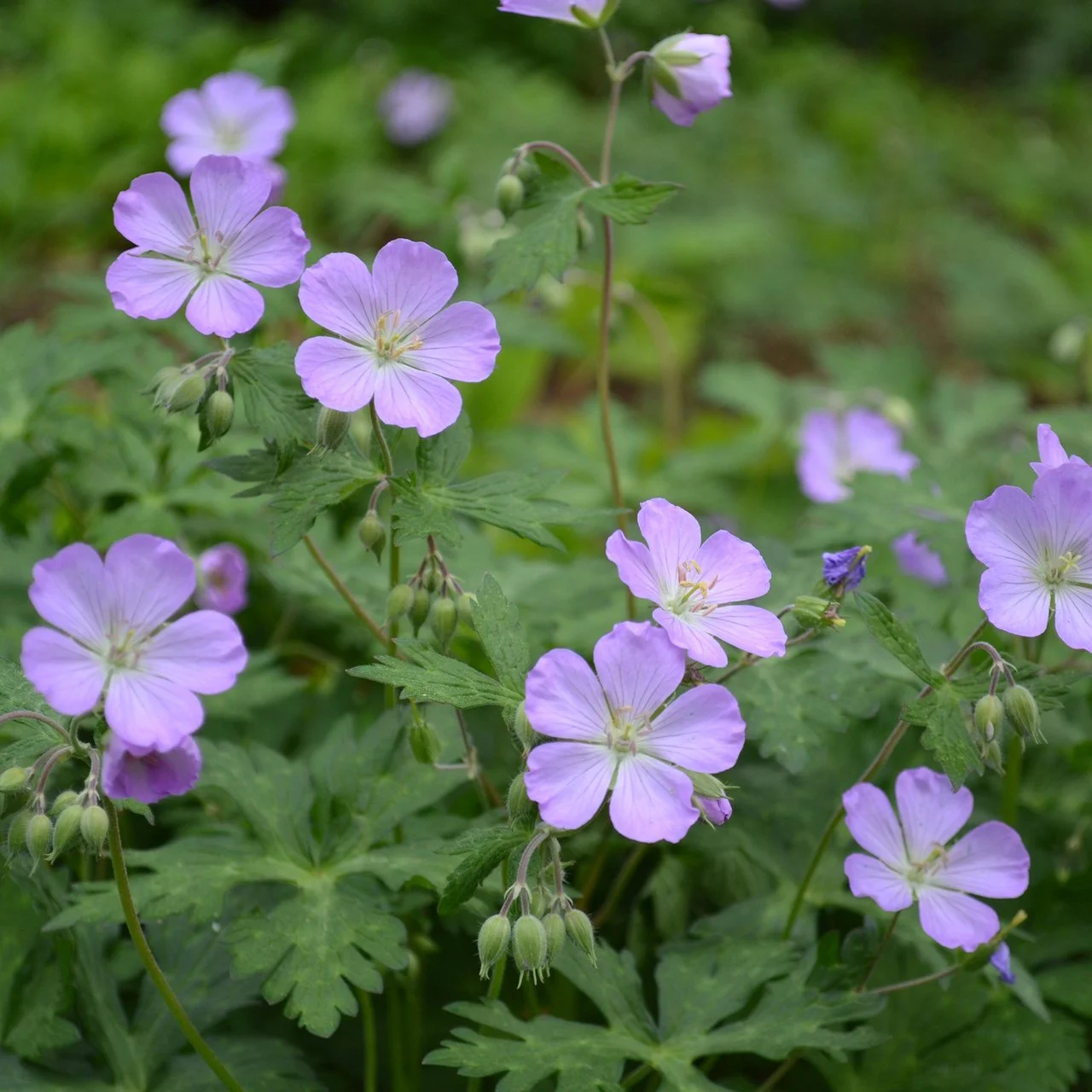
Geranium maculatum
Wild Geranium
This bed represents the many potent medicinal plants found in the rich soils of the shady forested habitats never touched by fire. Most of these species are still used today in Northeastern indigenous communities as medicine.
American spikenard, like its relative, American ginseng, has a fleshy, aromatic taproot that is eaten in times of starvation and is used to treat bronchial issues and stomachaches, among other ailments. Wild ginger and bloodroot are both potent medicinal plants that are poisonous if not used very carefully; bloodroot also contains a blood-like latex sap that is carefully used as a ritual paint and dye.
Wild geranium is traditionally used for treating diarrhea, and the very astringent alumroot for treating dermatological conditions. The beautiful maidenhair fern treats respiratory illnesses, and the giant ostrich fern – which looks like it belongs to another epoch in the earth’s history – was once used by local indigenous women to make mattresses when camping.
Niipiiswiikok: Among the Shrubs / Red-osier dogwood
BEDS # 21,23
Maxkweepanãʼkw ‘red-stem-tree’ [Mohican]
Cornus sericea
Red-osier dogwood
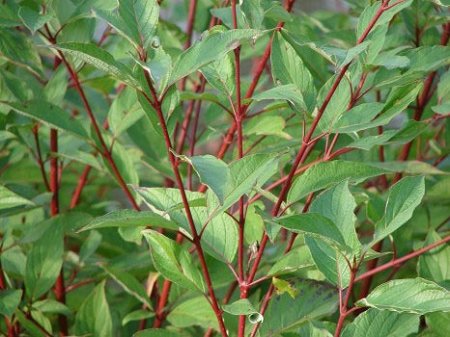
The red-osier dogwood or red willow (Maxkweepanãʼkw ‘red-stem-tree’ / Cornus sericea) is one of the most important medicinal plants in North America. Its bark is used to treat a wide array of ailments, and can be used as both an emetic and as a purgative. The bark is also traditionally mixed with tobacco for smoking. The stems themselves are used for making magical arrows and in purification ceremonies. In some Northeastern versions of the Creation, red-osier bushes were the first woody plants to grow from the newly-emerged earth.
Niipiiswiikok: Among the Shrubs / Fragrant Sumac
BED # 16
Kŭlŭkŭnikanahkw ‘mixture-tree’ [Munsee]
Rhus aromaticum
Fragrant Sumac

Fragrant Sumac (Kŭlŭkŭnikanahkw or ‘mixture-tree’ / Rhus aromaticum), is used for a wide variety of medicines and dyes. The name describes how its fragrant leaves are traditionally mixed with strong native tobacco to mellow the flavor and add nuance.
Niipiiswiikok: Among the Shrubs / American elder
BED # 15

Asanakoonzhuy
Sambucus canadensis
American Elder
The American elder (Asanakoonzhuy / Sambucus canadensis) is a useful medicinal plant, but is most noted for its pithy stems, which are easily hollowed to make blowguns for hunting birds and spindles for fire starting. The berries are, of course, also cooked and eaten.
Niipiiswiikok: Among the Shrubs / Stãʼkwãam: Eastern Hemlock
BED # 18

Stãʼkwãam [Mohican]
Tsuga canadensis
Eastern Hemlock
Like other coniferous trees, the eastern hemlock figures prominently in Hudson Valley indigenous culture as a sacred medicinal tree because of its ability to withstand the harshest winter weather. Majestic hemlock trees once dominated large swathes of the mountainous interior, creating dark, cool forests inhabited by owls, black bears, and martens. Hemlock branches are still used in medicinal teas and steams to treat respiratory ailments and rheumatic complaints. Traditionally, they are burned to ward off ghosts and bad spirits, and are used as a mattress for sleeping on top of the snow in winter hunting camps.